
Most commercial gluten-free flour blends are a problem for histamine intolerance. The typical culprits are potato starch, soy flour, and various bean flours, all of which are either high histamine or known DAO enzyme blockers that make it harder for your body to break down the histamine it does encounter.
I made my own blend because I was tired of reacting to things that were supposed to be safe. This is the version I use in everything I bake, including the burnt basque cheesecake and the ginger carrot muffins on this site. It is also low in oxalates and salicylates, which matters if you are managing more than just histamine.
The recipe makes a medium-sized batch, enough for a few baking sessions. It keeps well in a sealed glass jar for 3 to 6 months in a cool, dark cupboard.
Learn more about which foods are low and high histamine in the Happy Without Histamine – Low Histamine Foods Guide.
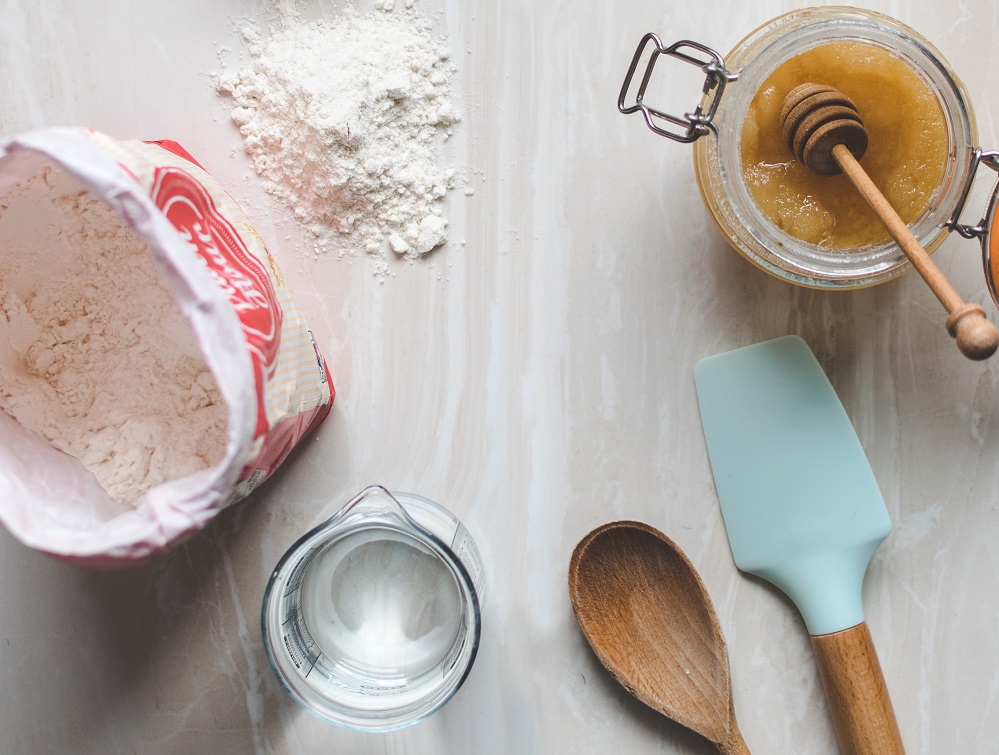
Low histamine gluten free flour blend
- Prep time: 5 mins
- Cook time: 0 mins
- Total time: 5 mins
- Serves: varies
- Gluten free
- Dairy free
- Low histamine
- Low oxalate
- Low salicylate
Ingredients:
- 1 1/4 cups brown rice flour
- 3/4 cup sorghum flour or fine white rice flour
- 1/2 cup arrowroot flour/powder
- 1/3 cup tapioca starch
Instructions:
- Mix all ingredients together thoroughly in a bowl.
- Pour into an airtight glass jar or other container. Store in cool dark cupboard or refrigerator for up to 3 to 6 months.
Why commercial gluten-free flours cause problems for histamine intolerance
The issue is not gluten itself. Most people with histamine intolerance do not have a primary problem with gluten, though some people with gut inflammation do find that removing gluten helps reduce their overall reactivity while the gut is healing. The issue is the specific flours used in most commercial blends.
Potato starch is a common ingredient in commercial GF blends and is a known problem for some people with histamine intolerance and MCAS. Bean flours and soy flour are DAO enzyme inhibitors, meaning they can reduce your body’s ability to break down histamine from other sources. By using rice flour, arrowroot, sorghum, and tapioca, this blend avoids those issues entirely.
A note on oxalate: a reader correctly pointed out that brown rice flour does contain some oxalate. It is lower than many alternatives (buckwheat flour in particular), but if you are on a strict low oxalate diet, substitute white jasmine rice flour for the brown rice flour in this recipe, as white jasmine rice is the lowest oxalate option.
Frequently asked questions
Can I use this flour blend as a 1:1 substitute for regular flour?
In most recipes, yes. The blend is designed to work as a direct substitute in baked goods. Results may vary slightly in recipes that rely heavily on gluten structure, like yeasted breads, but for muffins, cookies, cakes, and the cheesecake recipe on this site it works well.
Is arrowroot flour the same as arrowroot starch?
Yes. Arrowroot flour and arrowroot starch are the same ingredient and can be used interchangeably.
Is tapioca starch low histamine?
Yes. Tapioca starch (also called tapioca flour) is derived from the cassava root and is considered low histamine. It is also low in oxalate and salicylate, making it a good option for people managing multiple intolerances.
Why is sorghum flour included?
Sorghum adds a slightly more neutral flavour and a texture closer to wheat flour than rice flour alone provides. If you cannot find sorghum flour, fine white rice flour makes a reasonable substitute.
How much of this blend equals 1 cup of regular flour?
Use this blend in a 1:1 ratio as a direct substitute for regular wheat flour in most recipes.
Recipes that use this flour blend
This flour blend is used in: Low histamine burnt basque cheesecake, Low histamine ginger, carrot and apple muffins. Both recipes are on this site.
Sick of boring low histamine meals?

This recipe is in the Ultra Low Histamine Meal Plan along with many more.
Over 55 recipes and 4 weekly meal plans, including prep guides and shopping lists for each week.
Get your copy today.
About the author
Luanne Hopkinson (GradDipHumNutr, BSc, ADipNutrMed, MRC Healthy Gut Practitioner) is a clinical nutritionist and neuroplasticity coach specialising in histamine intolerance and MCAS. She is the founder of Happy Without Histamine and creator of the 5R Histamine Modulation Protocol. She works with women across Australia and internationally, drawing on 20 years of background in IT project management to treat histamine intolerance as the systems problem it actually is. nutrition + neuroscience


super recipe; I’m going to try this. I have one question, while not a deal-breaker, some flours can be pretty high in carbs: do you know the carb content of your GF flour blend?
LikeLiked by 1 person
Thanks, it contains 30g per serving. The recipe produces 4 servings.
LikeLike
Hi 🙂 Thanks for sharing!
I do have a question though; Isn’t brown rice flour quite high in Oxalates ?
From what I found (definitely not 100% accurate) roughly 40mg pr 100g / 3.5 oz.
Seems like a lot for those who are on a strict low ox diet, but maybe there’s different brown rice flour types? I’m just curious! I miss my baked goods.
Wishing you a wonderful day!
LikeLike
Hi, you are right brown rice does contain oxalate. White rice, especially jasmine is the lowest oxalate. This recipe is primarily a low histamine recipe rather than low oxalate. This recipe is lower oxalate than many other options such as buckwheat flour.
LikeLike