
If there is one thing I make most consistently as part of eating low histamine, it is this stock. It is the base of most of my soups, and having a batch in the freezer changes what is possible for weeknight cooking in a real way.
I used to cook with chicken and beef stocks for everything, but meat-based stocks are a specific problem for histamine intolerance. The longer protein simmers, the more histamine forms, and most commercial meat stocks are cooked long enough to be genuinely high histamine. Vegetable stock sidesteps that entirely, and everything I have made with it still tastes genuinely good.
If you have a mild case of histamine intolerance and want to use meat stock, the rule is simple: keep the cooking time to 2 hours or under, or use a pressure cooker for 30 to 45 minutes. Short cooking time, less histamine. But if you are in the middle of an active flare or in the elimination phase of your protocol, vegetable stock is the one to default to. You can use this recipe for low histamine chicken stock.
Learn more about which foods are low and high histamine in the Happy Without Histamine – Low Histamine Foods Guide.
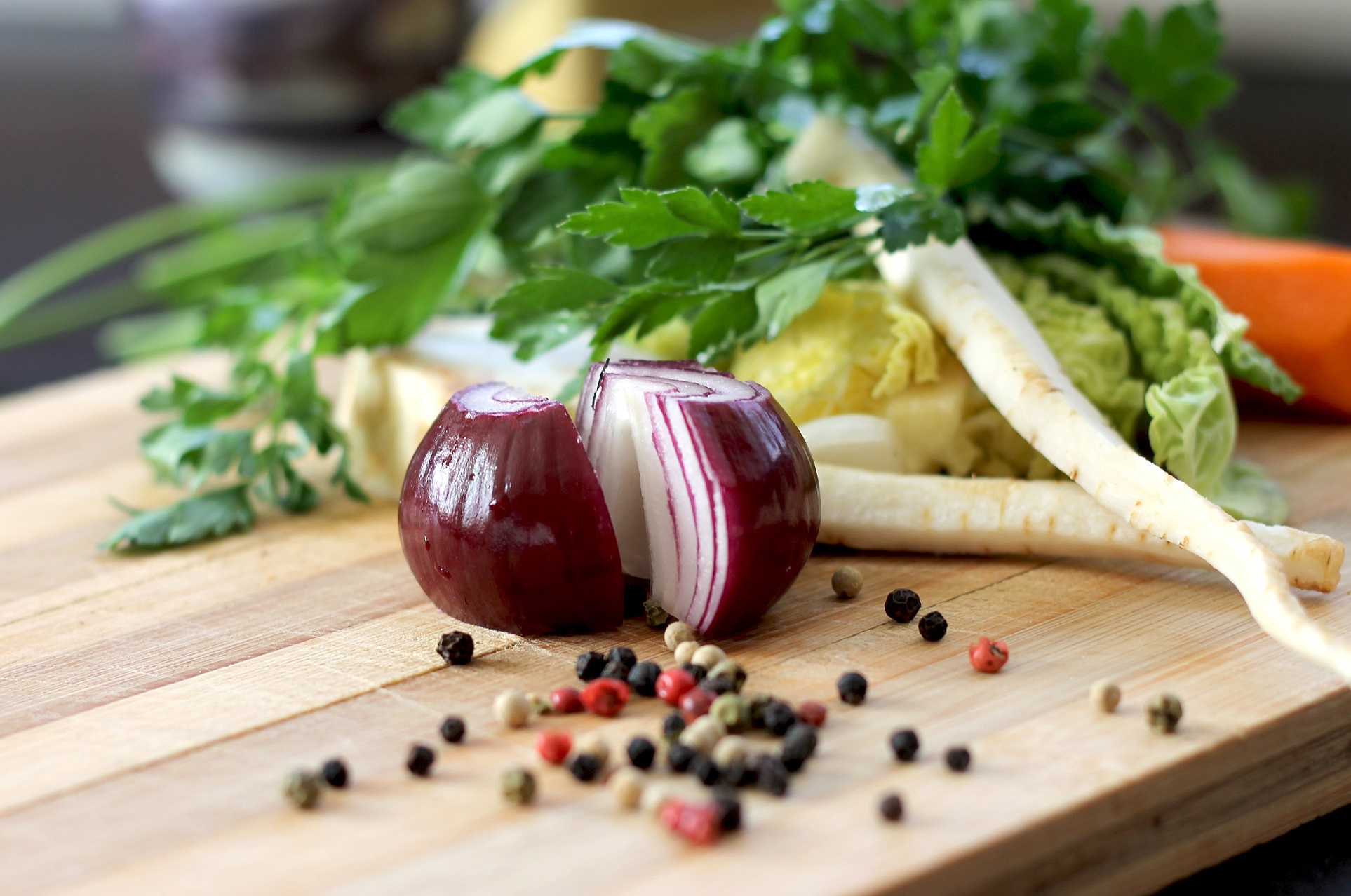
Low histamine vegetable stock
- Prep time: 15 mins
- Cook time: 25 – 60 mins
- Total time: 75 mins
- Serves: varies
- Gluten free
- Dairy free
- Low histamine
- Medium oxalate
Ingredients:
- 2 onions
- 2 celery stalks
- 4 carrots
- 4 garlic cloves
- 1/3 cup parsley stalks
- 2 bay leaves
- 1 tsp sea salt
- 1/4 tsp black peppercorns
- 4 litres filtered water (135 oz)
Optional – I also like to add a handful of leek tops and other vegetable odds and ends such as zucchini. Avoid brassicas such as cabbage and broccoli as they can leave an unpleasant smell behind in the stock.
Instructions:
- Wash and chop the vegetables roughly.
- Combine all the veggies, herbs, salt and pepper into a large pot and fill with water. Bring to the boil.
- Reduce the heat to low and simmer for 1 hour. Remember to treat your stock with care and simmer gently – rapid boiling will destroy the flavour.
- Strain and discard solids. Store stock for 2-3 days in the fridge or freeze in portions until required.
Pressure cooker method: cook on low pressure or the soup setting for 25 minutes. Same result in a fraction of the time.
Storage
Store in sealed glass jars or glass containers. Keeps for 2 to 3 days in the fridge. Freezes for up to a year. Freeze in portion sizes that match how you cook, 1 cup and 500ml portions are the most useful.
Recipes that use this stock
This vegetable stock is the base for: Low histamine cauliflower and kale soup, Low histamine sweet potato and chicken soup, Low histamine pumpkin and coriander soup.
Why histamine intolerance changes how you use stock
The histamine problem with stock is not the ingredients. It is the cooking time. Histamine forms as proteins break down, and extended simmering accelerates that process. A chicken stock cooked for twelve hours is genuinely high in histamine. A vegetable stock cooked for an hour is not, because there are no proteins undergoing that kind of breakdown.
This is also why commercial stocks are almost always a problem: the combination of long cooking times, yeast extract, and additives like vinegar or tomato makes them reliably high histamine. Homemade vegetable stock avoids all of that and takes less than half an hour in a pressure cooker, which makes it easy enough to justify keeping a regular batch going.
Frequently asked questions
Is vegetable stock low histamine?
Homemade vegetable stock made with the ingredients in this recipe is low histamine. Commercial vegetable stocks are usually not, because they contain yeast extract, natural flavours, or other additives that are high histamine. Always check the label carefully, or make your own.
Can I use this stock for soups and cooking generally?
Yes. This stock works as a direct substitute for any recipe that calls for chicken or vegetable stock. It is the base for the cauliflower and kale soup, the sweet potato and chicken soup, and most other soups on this site. It also works for cooking grains, for deglazing pans, and for adding depth to sauces.
Why do you avoid brassicas in stock?
Cabbage, broccoli, and other brassicas release sulphurous compounds during extended cooking that leave an unpleasant, slightly bitter taste in the finished stock. They are fine to eat as vegetables, but they do not make good stock ingredients.
Can I add herbs and spices to this stock?
Bay leaves, parsley stalks, and black peppercorns are already included and are all low histamine. You can add fresh thyme or other fresh herbs you tolerate. Avoid dried herb blends or commercially prepared seasoning mixes, as these often contain high histamine ingredients like paprika, chilli, or citric acid.
What containers do you recommend for storing stock?
Glass jars or glass lock containers rather than plastic. This is relevant for histamine intolerance beyond just taste: some plastics can leach compounds that interact with histamine pathways over time. Mason jars are practical for freezing as long as you leave headspace for the liquid to expand.
Sick of boring low histamine meals?
This recipe is in the Ultra Low Histamine Meal Plan along with many more.
Over 55 recipes and 4 weekly meal plans, including prep guides and shopping lists for each week.
About Luanne Hopkinson
Luanne Hopkinson (GradDipHumNutr BSc ADipNutrMed, MRC Healthy Gut Practitioner) is the founder of Happy Without Histamine and a clinical nutritionist and neuroplasticity coach with a background in computer science and project management. She created the 5R Histamine Modulation Protocol™, helping women with MCAS and histamine intolerance for the last 8 years, across Australia and worldwide, to stop chasing triggers and start actually healing, by restoring the gut microbiome and regulating the nervous system so their body stops overreacting to everything.


3 thoughts